
Brand System and Identity for Small Businesses.
In the rapidly evolving marketplace, establishing a robust brand system and identity is crucial for small businesses aiming to differentiate themselves. A strong brand identity not only encapsulates y
Brand System and Identity for Small Businesses: Essential Strategies for Effective Local Branding and Custom Brand Development

In the rapidly evolving marketplace, establishing a robust brand system and identity is crucial for small businesses aiming to differentiate themselves. A strong brand identity not only encapsulates your company’s core values but also enhances customer engagement and loyalty. This article delves into essential strategies that small businesses can employ to develop a distinctive brand identity, emphasizing the integral role it plays in local branding and lead generation. As many entrepreneurs face overwhelming challenges surrounding visibility and customer connection, this guide provides actionable insights into effective brand identity construction and utilization.
The foundation of this article is structured into multiple segments; initially, we will explore what brand identity entails, followed by how various elements contribute to effective branding. We’ll also discuss positioning frameworks, visual identity development, and the impact of these aspects on business growth. Lastly, we will uncover specific strategies that local businesses can implement for maximum reach and engagement.
Understanding Brand Identity
Brand identity is the collection of all elements that a company creates to portray the right image to its consumer. This includes the values, visual elements, and customer experience associated with a brand, which are crucial in forming customer perceptions and building trust. Establishing a coherent brand identity enhances recognition and fosters a sense of connection with potential customers.
To build a compelling brand identity, businesses should focus on the components that resonate with their target audience. Consistency is key; maintaining uniformity across all customer touchpoints cultivates reliability and strengthens consumer trust. Understanding the individuality of a brand identity also paves the way for customer engagement through tailored experiences.
Positioning and Voice Framework
A unique positioning statement and brand voice are fundamental in differentiating a brand from its competitors. The positioning statement clarifies how a business wants to be perceived in the marketplace, while the brand voice lends personality to communications. Together, they create a framework for market engagement.
Developing a concise positioning statement often involves identifying the target audience, their pain points, and how your offering provides a solution. This should be accompanied by a distinctive voice that reflects the brand's character, whether that appears professional, friendly, or innovative. Differentiation is vital, enabling brands to create meaningful connections that resonate with their audience.
Visual Identity Development

Visual identity encompasses the visual components that represent a brand, including the logo, color palette, typography, and imagery. A well-crafted visual identity serves not just as decoration but as a coherent expression of the brand’s ethos.
Creating a consistent visual identity involves adhering to specific guidelines that dictate the usage of brand elements. Businesses should ensure that all visuals align with their message and resonate emotionally with their audience to reinforce brand recognition. An effective visual identity enhances market visibility and becomes integral in portraying professionalism and reliability.
What Steps Are Involved in Creating Visual Identity Assets like Logos and Color Palettes?
- Research: Investigate industry trends and competitor branding to identify gaps.
- Concept Development: Brainstorm ideas that reflect the brand's values and mission.
- Creation of Assets: Utilize graphic design tools to create logos and select color palettes that embody brand messages.
- Feedback and Refinement: Engage stakeholders for feedback and iterate on design until a final version is achieved.
Creating these assets ensures that the brand stands out and is memorable within its marketplace.
Application of Brand Identity
Applying a brand identity consistently across all platforms maximizes its effectiveness. This includes ensuring all marketing materials, customer interactions, and online presence align with the established identity.
Brand guidelines should outline how to maintain brand elements in various contexts, emphasizing the importance of consistency in building customer loyalty. It is beneficial to regularly audit these applications to ensure adherence to brand standards.
Examples of Brand Identity Application
- Website Design: The website should visually reflect brand identity through consistent use of logos and colors.
- Social Media Profiles: All profiles should maintain similar imagery and tone of voice.
- Customer Packaging: Packaging should highlight brand elements to enhance recognition and reinforce messaging.
These strategies ensure a seamless experience for customers and strengthen brand loyalty.
SEO and Messaging
Incorporating SEO strategies into brand messaging enhances visibility in search engines, crucial for attracting potential customers. SEO involves the optimization of content with targeted keywords that resonate with users.
Effective messaging combines compelling narratives with strategic keyword integration to improve search rankings. High-quality content promotes engagement and shares brand values while assisting with online discoverability.
Best Practices for Integrating Keywords
- Research Relevant Keywords: Identify keywords that potential customers use in their searches.
- Create Valuable Content: Aim to provide insightful and useful information that aligns with keywords.
- Optimize Headlines and Meta Descriptions: Use keywords naturally to improve click-through rates from search results.
Following these practices elevates brand presence in search engines, driving organic traffic and fostering connections with potential customers.
Local Branding Strategies
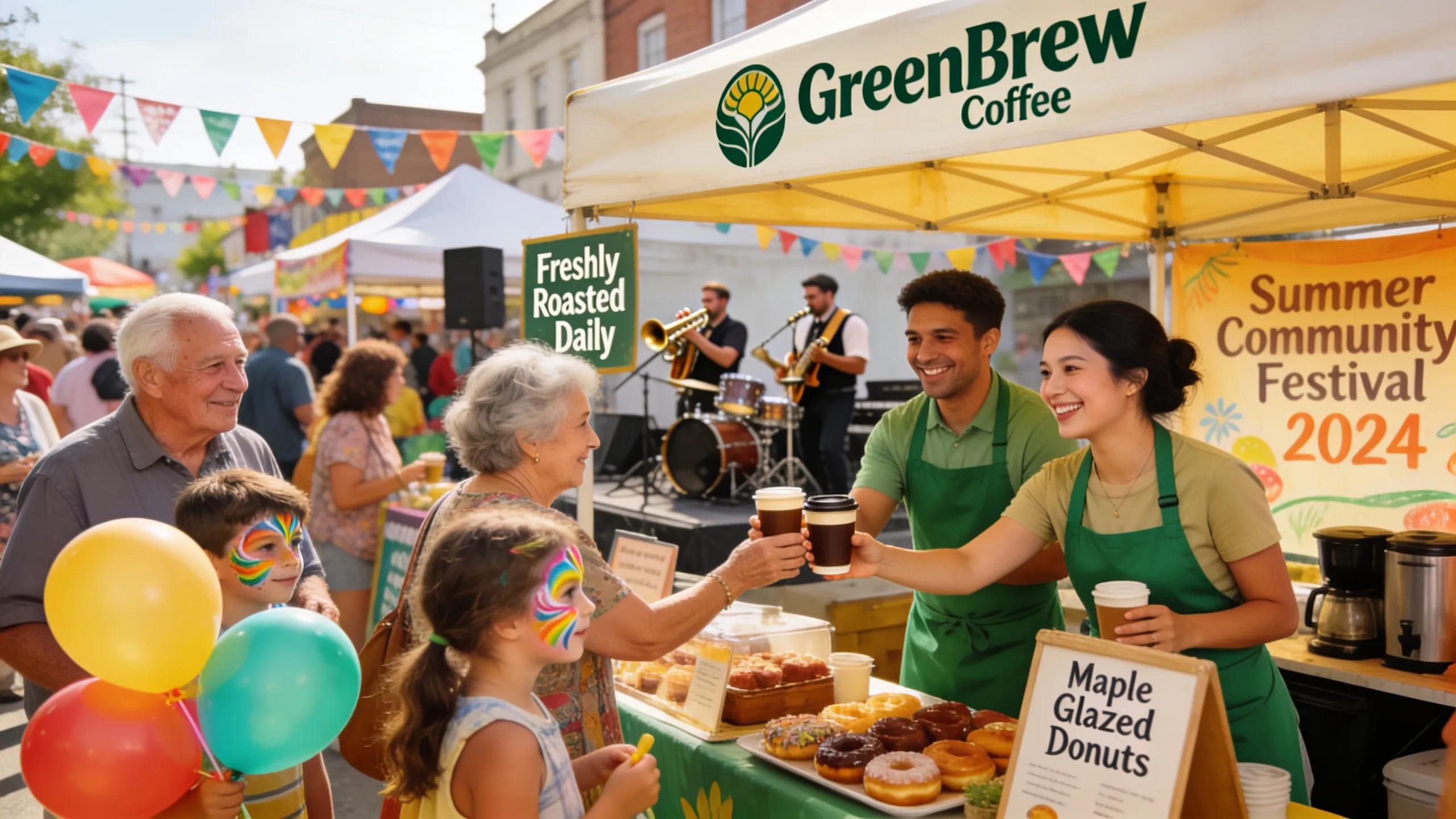
Local businesses can significantly benefit from specialized branding strategies that resonate within their communities. Establishing a connection with local customers involves an understanding of local culture and values.
Utilizing local SEO techniques helps improve visibility when customers search for services within their vicinity. Additionally, fostering community engagement through events, sponsorships, and partnerships enhances the brand's presence and relevance.
Strategies for Local SEO
- Claiming Google My Business Listings: Ensuring that your business is accurately listed can improve local search performance.
- Encouraging Customer Reviews: Positive reviews can enhance trust and authority.
- Local Content Creation: Develop content that addresses local interests and issues, thereby attracting the local audience.
These strategies create a genuine connection with the local market, enhancing brand loyalty and generating leads.
Research supports the notion that effective SEO and Google My Business strategies are crucial for micro-businesses struggling with market access and digital literacy.
SEO & Google My Business for Micro-Businesses
Keterbatasan akses pasar dan rendahnya literasi digital menjadi tantangan utama bagi pelaku usaha mikro di daerah tertinggal dalam menghadapi persaingan di era ekonomi digital. Pengabdian kepada masyarakat ini bertujuan untuk meningkatkan kapasitas pelaku usaha mikro dalam memanfaatkan strategi Search Engine Optimization (SEO) dan Google My Business (GMB) guna memperluas jangkauan promosi usaha secara online.Pelatihan Strategi Search Engine Optimization (SEO) Dan Google My Business Untuk Pelaku Usaha Mikro Di Daerah Tertinggal, 2025
Impact on Business Growth
A strong brand identity correlates directly with enhanced customer loyalty and retention, leading to sustained business growth. Research indicates that businesses with a defined brand identity experience higher levels of consumer trust, which translates into increased sales and profitability.
The ability to connect emotionally with customers results in positive brand perception and loyalty, essential components of long-term success. Moreover, effective branding can significantly differentiate a business from competitors in a saturated market.
Relationship Between Branding and Customer Loyalty
Stronger branding builds deeper connections with customers, ultimately fostering loyalty in a competitive landscape. When consumers recognize and resonate with a brand, they are more likely to engage and choose that brand consistently.
Practical Implementation
Implementing a brand identity requires a strategic approach with thoughtful steps to ensure effectiveness. Small businesses can begin by developing a clear set of brand guidelines that outline visual, verbal, and experiential elements.
Ensuring that all employees understand and embody the brand identity is crucial for maintaining consistency. Regular assessments should be conducted to adapt branding strategies as needed and ensure they remain effective over time.
Checklist of Brand Identity Elements
- Brand Mission and Values: Clearly define what the brand stands for.
- Visual Identity: Create logos, color palettes, and typography guidelines.
- Brand Voice and Tone: Establish how the brand communicates with its audience.
- Messaging Strategy: Develop key messages that align with brand values.
This comprehensive approach supports an engaging and coherent brand identity.
What Is a Brand System and Why Is It Crucial for Small Businesses?
A brand system is an integrated model that helps businesses coordinate their branding efforts cohesively. For small businesses, having a robust brand system is essential for creating a memorable identity that resonates with the target market.
A well-defined brand system offers numerous benefits, including improved efficiency in marketing efforts and a clearer strategic direction. It provides a framework within which businesses can create consistent messaging across all platforms.
Key Components of a Brand System
- Brand Strategy: Outlines the long-term vision and mission of the brand.
- Brand Values: Defines the principles that guide the brand's decisions and behaviors.
- Visual Elements: Includes logos, colors, and graphic styles that represent the brand.
These elements work cohesively to convey a unified message to the audience.
How Do Brand Systems Enhance Visibility and Lead Generation?
A robust brand system can significantly enhance visibility by unifying branding efforts across various channels. With consistent messaging and visuals, customers are more likely to trust and engage with the brand.
Moreover, effective brand systems also facilitate lead generation through targeted marketing campaigns that are easily recognized and memorable. This can directly impact the business's bottom line by driving sales growth and improving customer acquisition.
Connection Between Branding and Visibility
Strong branding enhances visibility by creating memorable impressions that captivate audiences. Clear and attractive branding can capture attention and encourage shares, referrals, and repeat visits, ultimately contributing to lead generation.
How to Develop a Tailored Brand Identity for Startups and Small Enterprises?
Startups and small enterprises can benefit significantly from a tailored brand identity that reflects their unique values and offerings. The following steps can help in developing a customized brand identity that stands out:
- Identify Values and Mission: Clearly articulate what the business stands for.
- Understand the Target Audience: Conduct market research to determine the needs and preferences of potential customers.
- Create Unique Visual Identity: Design logos and select color palettes that resonate with the brand’s mission.
- Establish an Engaging Brand Voice: Determine how the brand will communicate with its audience, ensuring consistency across channels.
Tailoring a brand identity helps small businesses connect more effectively with their audiences, enhancing engagement and loyalty.
Why Choose Brand Nav for Custom Brand Systems and Digital Marketing Services?
Brand Nav specializes in creating custom brand systems tailored for diverse local business verticals. Through extensive expertise in lead generation and brand development, our approach focuses on delivering strategic solutions that resonate with target audiences.
Success stories from clients showcase measurable growth in brand visibility and customer engagement, highlighting the impact of personalized branding strategies. Choosing Brand Nav means equipping your business with the tools necessary for effective marketing and sustainable growth.
Overview of Brand Nav’s Offerings
- Custom Brand Development: Tailoring brand identities to align with business goals.
- Digital Marketing Services: Integrated solutions that enhance online presence.
- Lead Generation Strategies: Innovative approaches to attract and retain customers.
With a commitment to excellence, Brand Nav empowers businesses to thrive through cohesive branding systems and effective marketing strategies.
How Does Brand Nav Personalize Brand Strategies for Diverse Local Business Verticals?
At Brand Nav, we understand that each business has its unique challenges and demographics. We adopt a personalized approach in crafting brand strategies that cater to specific local markets while remaining aligned with broader business goals.
By analyzing demographic data and market trends, we ensure that branding efforts are both relevant and resonant, creating powerful ties with the local community. This approach distinguishes Brand Nav as a leader in delivering effective branding solutions.
What Client Results Demonstrate Brand Nav’s Impact on Business Growth?
Numerous case studies from our clients highlight the efficacy of our branding strategies. Our clients have reported measurable metrics, including increased engagement rates and improved sales performance post-branding refinement.
By closely monitoring these results, we identify areas for continued growth and optimization, ensuring that our branding efforts yield ongoing success. Investing in a strong brand identity with Brand Nav leads to solid market positioning and sustained business growth.
Ready when you are.
One flat price: $2,000 for the full build. Live in 5–7 working days. Free content edits and hosting included year one.
Request a consultation