
Clinic Website Essentials for Patient Bookings.
In the evolving landscape of healthcare, a robust online presence has become essential for clinics aiming to streamline patient interactions and appointments. Utilizing online patient booking software
Clinic Website Essentials for Patient Bookings: Optimizing Digital Patient Engagement and Scheduling
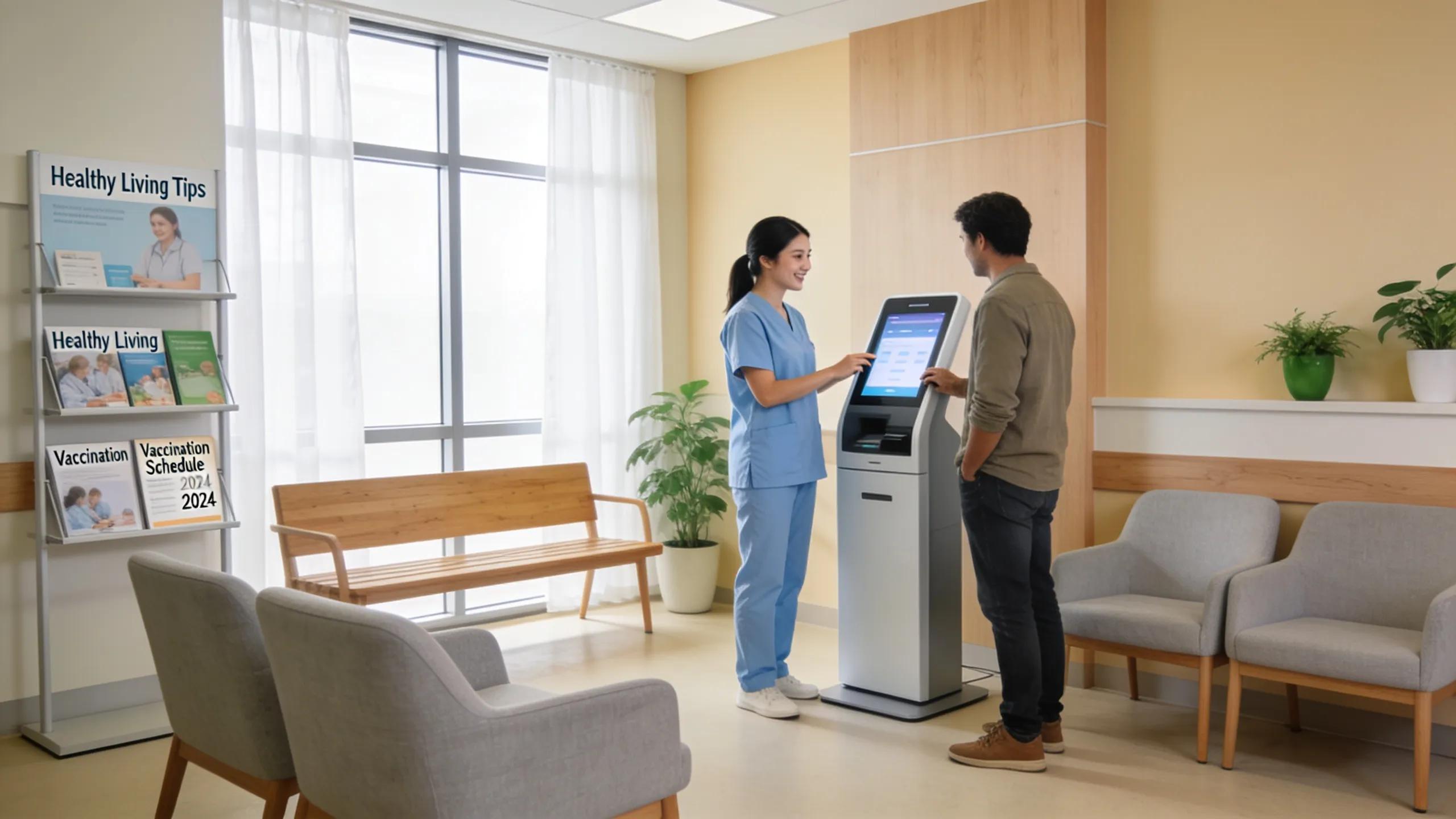
In the evolving landscape of healthcare, a robust online presence has become essential for clinics aiming to streamline patient interactions and appointments. Utilizing online patient booking software significantly enhances clinic efficiency and patient accessibility, addressing common scheduling barriers. These systems not only optimize engagement through user-friendly interfaces but also offer integration options that allow for seamless communication and confirmation. This article will delve into the importance of online appointment scheduling, explore best practices for healthcare website design, and identify effective patient booking solutions tailored for diverse medical practices. By implementing these strategies, clinics can enhance their digital engagement capabilities, ultimately leading to improved patient satisfaction and operational efficiency.
Why is Online Patient Booking Software Critical for Clinic Websites?
Online patient booking software serves as the backbone of a clinic's operational structure, allowing for enhanced patient accessibility and streamlined workflow. With busy schedules and the rise of telehealth, patients expect the convenience of scheduling appointments at any time, which can dramatically increase appointment bookings and significantly reduce administrative burdens for clinic staff. Incorporating such a system not only makes it easier for patients to find and book appointments but also alleviates the strain on receptionists by minimizing booking errors and no-shows through automated reminders.
This perspective is further supported by research into innovative solutions.
Online Appointment Booking Systems: Revolutionizing Healthcare Scheduling
The rapid evolution of digital technologies has significantly transformed the healthcare sector, enabling more efficient and patient-centered services. One such advancement is the online appointment booking system, which streamlines the process of scheduling medical consultations. This system allows patients to book, reschedule, or cancel appointments through web or mobile platforms without the need for physical visits or phone calls. It enhances accessibility, reduces waiting times, and improves overall healthcare delivery.ONLINE APPOINTMENT BOOKING SYSTEM FOR HEALTHCARE, 2026
How Online Scheduling Systems Improve Patient Engagement
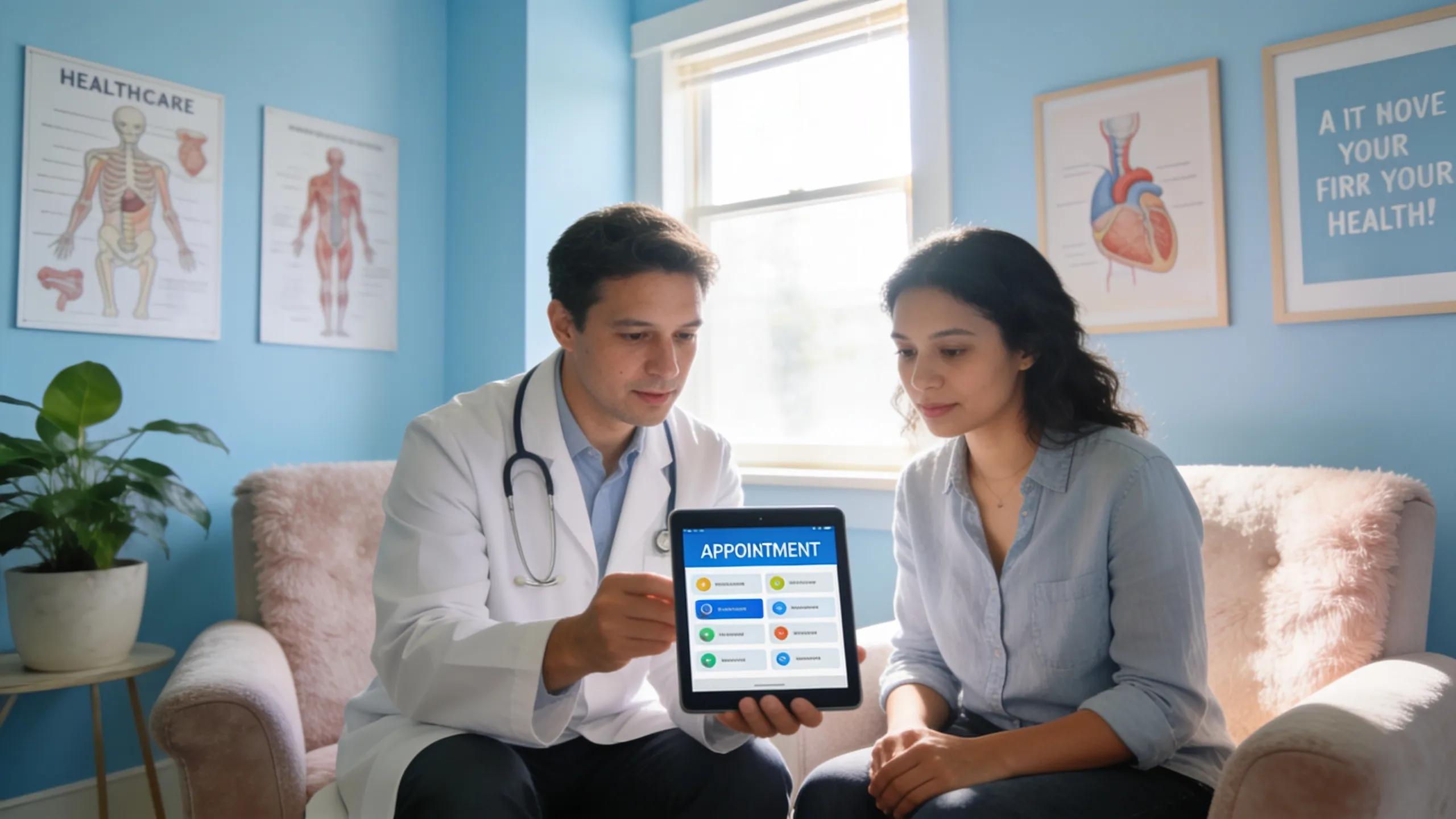
Patient engagement improves significantly with online scheduling systems, allowing clinics to adapt to the needs and preferences of their patients. For instance, statistics indicate that clinics utilizing these systems experience up to a 30% increase in appointment bookings due to the flexibility and accessibility of online platforms. Moreover, patients value the ability to choose appointment times that fit their schedules, which enhances overall satisfaction. Engaging patients in this way also fosters loyalty, encouraging them to choose the same clinic for future needs.
What Features Should You Look for in Patient Appointment Software?
When evaluating patient appointment software, clinics should prioritize certain key features to maximize functionality. Firstly, intuitive user interfaces are essential, as patients are more likely to book an appointment if the process is straightforward. Additionally, integration capabilities with existing management systems streamline operations, ensuring that patient data flows seamlessly. Essential features also include appointment reminders, cancellations, and rescheduling options, which significantly reduce no-show rates and improve patient compliance.
How to Design a Mobile-Friendly, Responsive Healthcare Website?

Creating a mobile-friendly, responsive healthcare website is crucial for any clinic aiming to attract and retain patients. Given that a large percentage of users access healthcare information via mobile devices, a website must adapt to different screen sizes to ensure optimal user experience. Key elements include clear navigation, concise content, and fast loading speeds to enhance usability. Additionally, incorporating patient portals can provide quick access to medical records and appointment scheduling, further improving patient interaction with the clinic.
This highlights the growing need for high-quality digital interfaces in healthcare, as discussed in recent studies.
Enhancing Patient Satisfaction with High-Quality Online Registration Apps
The digitalization of hospital services increasingly requires high-quality online registration applications to enhance efficiency and user experience. Ineffective registration processes characterized by long queues, delays, and occasional system bottlenecks remain a major barrier to service efficiency and patient satisfaction in many hospitals. Online registration applications are expected to address these issues, yet limited studies have specifically examined how the quality of such applications influences user satisfaction, particularly in private hospitals in developing regions.Online Registration Application Quality And User Satisfaction: A WebQual 4.0 And EUCS-Based Study at A Private Hospital In Indonesia, 2026
What Best Practices Enhance Healthcare Website User Experience?
To enhance healthcare website user experience, clinics should adhere to several best practices. These include:
- Mobile-First Design: Prioritizing mobile users in the design process ensures a broad range of accessibility.
- Accessibility Compliance: Websites must comply with accessibility standards to cater to all patients, including those with disabilities.
- Simplicity in Forms and Navigation: Keeping forms short and navigation straightforward helps to reduce barriers in patient engagement.
Incorporating these practices not only makes the website more effective but also instills trust and confidence in users.
How Does Responsive Design Increase Patient Booking Rates?
Responsive design significantly affects patient booking rates by eliminating common frustrations associated with navigating websites on mobile devices. Research shows that responsive websites experience lower bounce rates compared to non-responsive counterparts. By providing a seamless experience across all devices, clinics can retain potential patients who might otherwise abandon the booking process due to inadequate website performance. Consequently, well-implemented responsive design translates into increased appointment bookings and improved patient retention.
Which Clinic Scheduling Software Options Are Best for Different Medical Practices?
Choosing the right clinic scheduling software depends on the specific needs of different medical practices. Here are some options worth considering:
- Family Medicine Practices: Software with features to manage patient history and family interactions effectively.
- Dental Clinics: Systems that cater specifically to dental practices can include features like treatment notes and patient imaging.
- Specialty Practices: Look for software that offers customizable treatment plans and appointment templates tailored to specific specialties.
How to Compare Clinic Appointment Scheduling Tools?
When comparing clinic appointment scheduling tools, several criteria can guide your selection process. Key aspects to consider include:
| Features | Cost | User-Friendliness |
|---|---|---|
| 24/7 Scheduling | Varies by provider | High |
| Automated Reminders | Generally includes | Medium |
| Patient Management | Additional fee may apply | High |
Evaluating these attributes allows clinics to select a scheduling tool that aligns with their operational needs and budget considerations.
What Are the Benefits of Choosing HIPAA-Compliant Scheduling Software?
Choosing HIPAA-compliant scheduling software offers various advantages for medical practices. These include:
- Patient Privacy and Trust: Ensuring compliance with HIPAA regulations builds trust with patients, knowing their information is handled securely.
- Legal Compliance: Using compliant software helps clinics avoid substantial legal consequences and fines associated with privacy breaches.
- Standardized Practices: Compliant tools streamline processes to align with broad healthcare compliance standards.
Utilizing these tools not only ensures regulatory adherence but also enhances the overall reputation of the clinic.
How Can Digital Patient Engagement Tools Enhance Clinic Website Effectiveness?
Digital patient engagement tools play a vital role in making healthcare services more accessible and improving overall patient satisfaction. These tools can include chatbots, online appointment systems, and patient portals, all contributing to a more interactive experience.
What Role Do Appointment Reminders and Patient Portals Play?
Appointment reminders and patient portals are essential components of digital engagement strategies. They significantly reduce no-show rates by sending timely notifications and confirmations. Additionally, patient portals provide easy access to medical records, fostering a sense of ownership and involvement in personal health management. Their impact is reflected in studies showing a decrease in missed appointments when utilizing these features.
How to Integrate Digital Engagement Features Seamlessly into Clinic Websites?
Integrating digital engagement features into clinic websites requires careful planning and execution. Clinics should focus on:
- Choosing User-Friendly Platforms: Select software that integrates well with existing systems.
- Providing Training: Ensure staff are trained to use these features effectively to assist patients.
- Collecting Feedback: Regularly gather patient feedback to make necessary adjustments and improvements.
This thoughtful integration enhances the overall user experience, leading to better patient engagement.
What Are Essential Compliance and Security Practices for Online Clinic Booking?
Ensuring compliance and implementing robust security practices for online clinic booking systems are non-negotiable aspects of healthcare management. Clinics must stay informed about regulations and best practices to protect patient information. This includes understanding the importance of secure healthcare data security measures.
How Does HIPAA Compliance Affect Online Scheduling Software?
HIPAA compliance places strict requirements on online scheduling software, mandating that patient data is securely handled and stored. Non-compliance can lead to severe penalties and damage to a clinic's reputation, underscoring the importance of adhering to these standards while choosing scheduling tools.
What Security Measures Should Clinics Implement on Their Websites?
To safeguard sensitive patient information, clinics should implement essential security measures:
- SSL Encryption: Provides secure data transmission to protect user information.
- Regular Audits: Conducting audits helps identify potential vulnerabilities and ensure ongoing compliance.
- Two-Factor Authentication: This adds an extra layer of security for both staff and patients accessing online systems.
Implementing these security practices secures patient data and builds trust in clinic services.
How to Monitor and Improve Your Clinic Website’s Patient Booking Performance?
Monitoring website performance is vital for understanding patient engagement and improving booking efficiency. By analyzing data, clinics can identify trends and make informed decisions about necessary adjustments.
Which KPIs Indicate Success in Digital Patient Appointment Systems?
Key Performance Indicators (KPIs) play a crucial role in assessing the success of digital appointment systems. Important KPIs include:
- Booking Conversion Rate: The percentage of visitors who successfully book appointments.
- Appointment No-Show Rate: The percentage of patients who fail to attend scheduled appointments without proper notice.
- Patient Satisfaction Score: Feedback gathered from patient interactions with the scheduling system.
Collectively, these KPIs allow clinics to measure the effectiveness of their booking processes and enhance areas that may hinder patient satisfaction.
What Tools Help Track and Optimize Booking Software Effectiveness?
Several tools exist to track and optimize the effectiveness of booking software, including:
- Google Analytics: Useful for tracking user behavior on the scheduling page and identifying drop-off points.
- Survey Tools: Implement surveys post-appointment to gather insights on the booking experience.
- Patient Management Systems: These often include analytics features to analyze patterns in appointment bookings.
Utilizing these tools helps clinics systematically improve their patient booking strategies, ensuring a more refined and efficient experience.
Ready when you are.
One flat price: $2,000 for the full build. Live in 5–7 working days. Free content edits and hosting included year one.
Request a consultation