
Integrating Payments and Appointment Systems.
Integrating payment and appointment systems streamlines operations for small and mid-sized businesses (SMBs) across various service sectors. This process not PASonly enhances customer experience but a
Online Booking Software With Payment Integration: How to Seamlessly Integrate Payments and Appointment Systems for SMBs
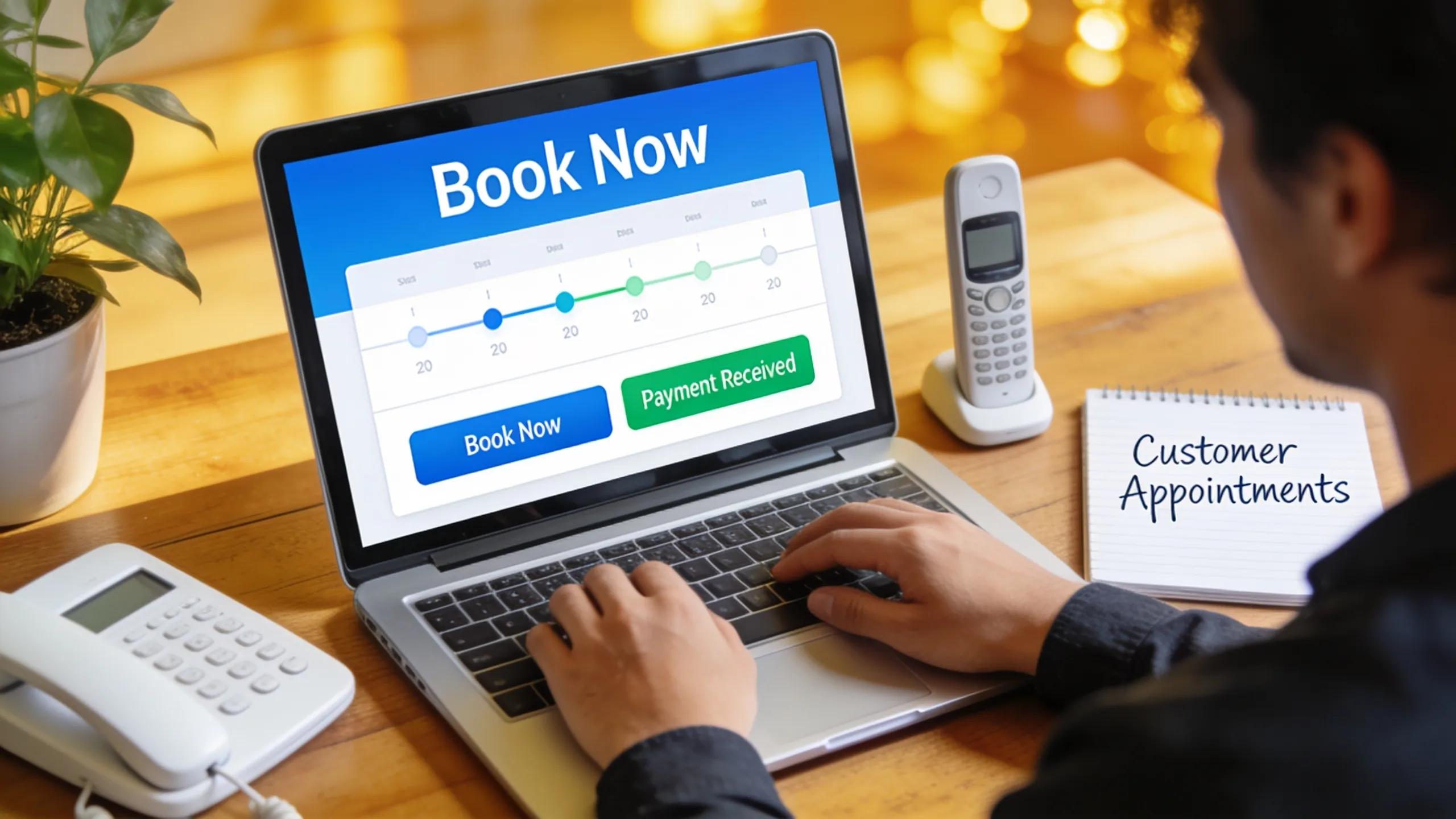
Integrating payment and appointment systems streamlines operations for small and mid-sized businesses (SMBs) across various service sectors. This process not PASonly enhances customer experience but also significantly boosts lead generation by simplifying the booking and payment channels. A seamless connection between these services allows businesses to respond faster to customer needs and deliver a more effective service, ultimately leading to increased satisfaction and retention. This article explores the benefits of integrating payment and appointment scheduling systems, discusses the best payment gateways for SMBs, explains how the integration works, highlights industry-specific use cases, and outlines digital marketing strategies that can maximize lead conversion through these integrated systems.
What Are the Benefits of Integrating Payment and Appointment Scheduling Systems?
Integrating payment systems with appointment scheduling software provides significant advantages for both businesses and customers. This unified approach leads to increased operational efficiency, enhancing the user experience through streamlined processes. By simplifying booking and payment pathways, businesses witness higher lead generation and conversion rates since customers are less likely to abandon appointments due to complicated procedures.
Integrating these systems also enables improved data management, allowing businesses to track customer interactions more efficiently. Effective use of analytics from combined systems can reveal valuable insights, enhancing marketing strategies and increasing overall customer engagement.
Insights into the real-world impact of digital payment adoption further underscore the importance of such integrations for revenue growth in small businesses.
Impact of Digital Payment Adoption and Integration on Small Business Revenue
This study addresses the persistent problem that many small businesses adopt digital payments, yet the revenue impact remains uneven because adoption is often shallow and not operationally integrated. The purpose was to quantify how digital payment adoption and adoption maturity influence small business revenue growth and to test which adoption drivers strengthen or constrain this relationship.A panel data econometric analysis on the impact of digital payment adoption on small business revenue growth in global business, 2022
For instance, Brand Nav specializes in custom website builds that can enhance the implementation of these integrated systems, particularly aimed at small and mid-sized local businesses. By leveraging their digital marketing services, businesses can enhance online visibility and customer acquisition.
How Does Unified Booking and Payment Improve Lead Generation and Customer Experience?
Unified booking and payment systems transform the customer journey significantly. First, they streamline the booking process, allowing customers to schedule appointments and make payments in just a few clicks. This convenience reduces the likelihood of missed appointments as customers can manage their schedules with ease.
Furthermore, customers enjoy a seamless experience without having to switch between multiple platforms for booking and payment. This reduction in friction not only enhances customer satisfaction but can also foster loyalty, as consumers appreciate consistency across their interactions. Enhanced data tracking capabilities allow businesses to analyze customer behavior, leading to more tailored engagement strategies that cater to their needs.
What Recent Trends Support Payment and Scheduling System Integration?

Recent trends indicate a strong shift towards integrated payment and scheduling systems among SMBs. The adoption rates for these solutions are surging, with technological developments making them more user-friendly and accessible. Research suggests that businesses prioritizing these integrations tend to maximize customer retention and streamline communication.
Moreover, consumer preferences are leaning towards seamless experiences across platforms. Businesses that embrace these changes can cater to a more digital-savvy audience that values convenience and efficiency. As payments become increasingly embedded in the booking experience, companies enhancing their digital interfaces will likely see substantial returns on investment in user satisfaction and operational efficiency.
Which Are the Best Payment Gateways for Appointment Scheduling Software?
Identifying the best payment gateways for appointment scheduling software is critical for successful integration. Businesses need options that not only complement their existing systems but also focus on cost-effectiveness and customer support. Top choices in this domain include gateways that offer simple integration tools suited for small businesses, ensuring minimal disruption during implementation.
Payment gateways like Stripe have emerged as popular options due to their robust features and user-friendly interfaces, making them ideal for appointment scheduling apps. They offer real-time transaction processing and advanced security measures, ensuring that customer data remains protected throughout the transaction process.
How Does Stripe Integration Enhance Appointment Apps?
Stripe has established itself as a leading payment integration tool by providing solutions specifically designed for appointment applications. Its user-friendly interface allows businesses to set up payment systems quickly without requiring extensive technical knowledge. Moreover, Stripe offers advanced security features, such as encryption and tokenization, making it a suitable choice for businesses handling sensitive payment information.
By integrating Stripe, appointment apps can facilitate immediate transaction confirmations, reducing the time and hassle often associated with payment processing. This immediate receipt generation bolsters customer trust, as they know their payments have been successfully processed right away.
What Other Payment Gateways Compare Well for Scheduling Integration?
| Payment Gateway | Key Features | Pros | Cons |
|---|---|---|---|
| Square | All-in-one payment processing | User-friendly, no monthly fees | Limited international support |
| PayPal | Easy online payments | Trusted brand, widely recognized | Higher transaction fees compared to others |
| Authorize.Net | Comprehensive payment options | Excellent customer support and flexibility | Slightly complicated setup process |
When selecting the right payment gateway, businesses should consider their unique needs, such as operational scale, frequency of transactions, and customer demographics.
How Does Integration Between Payment Services and Appointment Software Work?
Integrating payment services and appointment software involves several steps that aim to simplify the connection between these systems. The first step is to choose compatible software that allows seamless communication between the appointment management platform and the payment gateway. Proper API integration is critical to ensure that data flows smoothly in both directions.
Once the systems are connected, businesses can automate confirmation notifications, transaction receipts, and follow-up reminders. This automation not only streamlines operations but also provides a more consistent experience for users, who receive timely updates regarding their appointments and payments.
What Is the Step-by-Step Process of Connecting Booking Systems to Payment Gateways?
- Select Payment Gateway: Choose a gateway that aligns with the business's budget and volume of transactions.
- Utilize APIs: Access API documentation from the payment provider to understand how to link it with the scheduling software.
- Testing Phase: Conduct thorough testing to ensure that transactions are processed correctly and that the user experience remains smooth throughout the process.
- Launch: Once tested, go live with the integration, ensuring to monitor performance to address any possible issues promptly.
By following these steps, businesses can facilitate a comprehensive setup that ensures user-friendly experiences and operational efficiency.
What Tools and APIs Facilitate Smooth Integration?
- Zapier: Connects multiple apps together to automate workflows, streamlining the payment and appointment integrations without in-depth coding knowledge.
- Custom APIs: Many software providers offer bespoke APIs tailored specifically for small businesses, facilitating easy integration with existing platforms.
- Integration Platforms: Software like Integromat or Microsoft Power Automate can help establish connections between different systems, allowing seamless data transfers.
Using these tools can alleviate the complexities often associated with integrating payment systems, enabling smoother operational flows.
What Are the Industry-Specific Use Cases for Integrated Payment and Scheduling Systems?
Different industries can benefit immensely from integrating payment systems with scheduling software. This integration not only enhances operational efficiency but also impacts lead generation positively.
In the healthcare sector, for instance, clinics that implement integrated payment systems see an increase in appointment slots with a decrease in cancellations. Patients benefit from easy online payment solutions that guarantee a smoother experience when booking appointments.
How Do Clinics Benefit From Custom Payment and Appointment Integration?
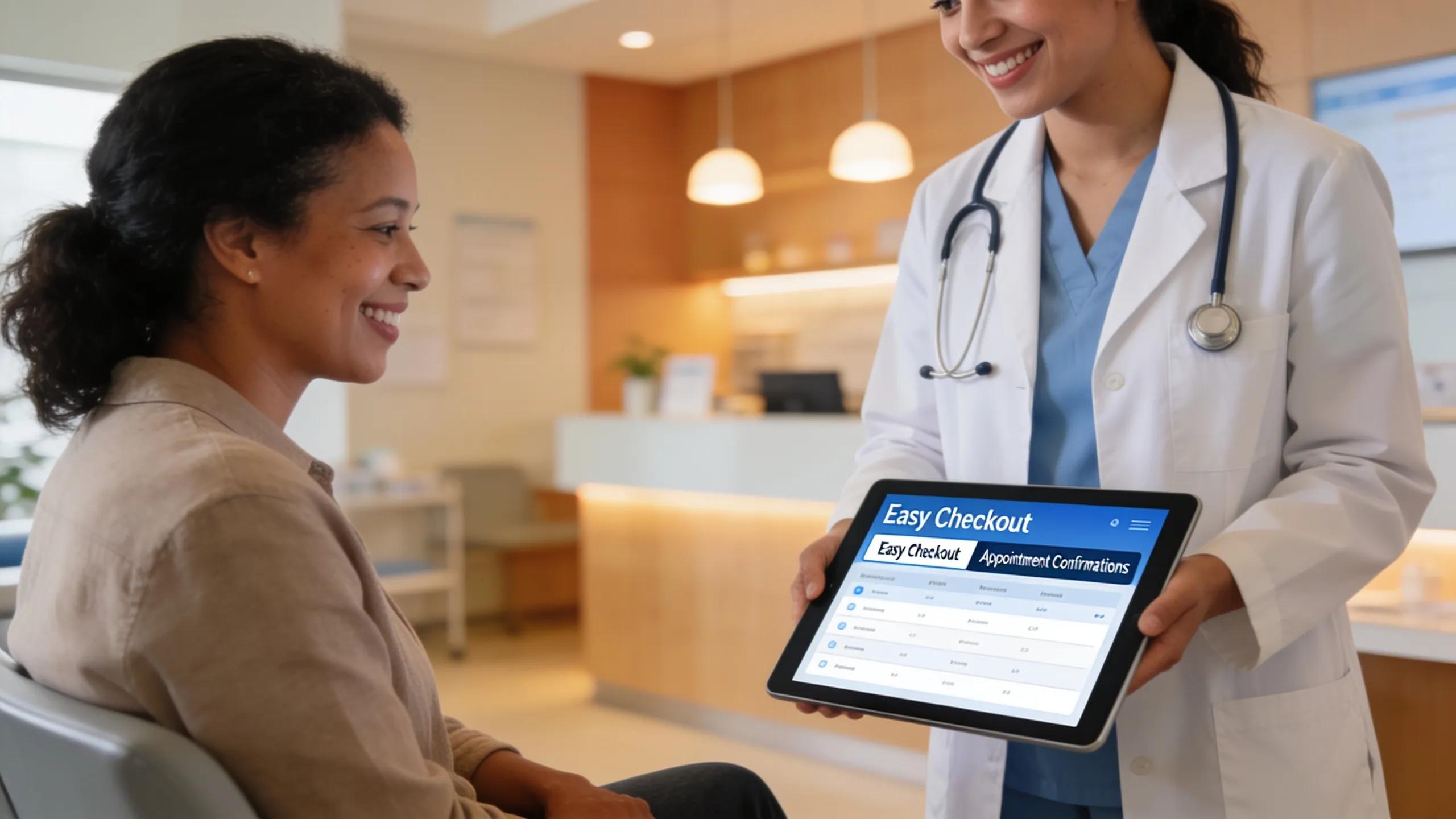
Clinics that integrate payment solutions with their appointment scheduling systems experience several advantages. Notably, this integration can lead to:
- Increased Appointment Slots: By simplifying the booking process, clinics can accommodate more patients.
- Decreased Cancellations: Streamlined processes often lead to lower cancellation rates, as patients find it easier to manage appointments and payment methods.
- Enhanced Patient Satisfaction: Patients appreciate the convenience of online payments, which fosters trust and loyalty to the clinic.
This approach significantly improves upon traditional, fragmented hospital management systems that often lead to inefficiency and patient dissatisfaction.
Hospital Management Systems: Integrating Appointment Scheduling and Payment Tracking
The rapid advancement of web technologies and digital health platforms has significantly transformed the medical ecosystem, particularly in the areas of appointment scheduling, automated patient communication, and clinic administration. Patients seeking medical care often face difficulties tracking doctor availability, booking reliable appointments, and securing diagnostic services due to fragmented traditional management systems. Conventional hospital consultancy relies on physical queues, manual front-desk operations, and disjointed payment tracking, which become highly inefficient during peak operational hours.A FULL-STACK MERN HOSPITAL MANAGEMENT SYSTEM, 2026
The implementation of these systems creates a more efficient clinic that values patient time and satisfaction.
In What Ways Do Contractors and Restaurants Utilize Integrated Booking and Payments?
Contractors and restaurants also leverage integrated systems to drive service efficiency. For instance, restaurants can streamline their table reservations and payments directly through their website or app, enhancing the dining experience.
Contracts in the service industry can automate booking and deposits, minimizing the inconvenience associated with payment processing. This efficiency allows them to provide excellent service while managing administrative tasks effectively, directly impacting their bottom line through improved lead conversions.
Which Digital Marketing Strategies Maximize Lead Conversion Using Integrated Systems?
Utilizing data from integrated payment and scheduling systems can significantly enhance digital marketing strategies. By analyzing customer interactions, businesses can tailor marketing efforts that resonate with their audience, leading to improved engagement and conversion.
Personalized marketing is key in leveraging the data derived from this integration. Targeted campaigns based on purchase history or appointment frequency can yield higher conversion rates, as marketing messages align closely with customer needs.
How Can Customized Marketing Leverage Payment and Scheduling Integration Data?
- Targeted Email Campaigns: Sending tailored offers based on previous appointments or purchases enhances customer retention.
- Loyalty Programs: Rewarding frequent customers with discounts can compel them to return, fostering brand loyalty.
- Segmentation Strategies: Analyzing data enables businesses to create effective segments within their audience for nuanced outreach.
These strategies show how integrated systems can enhance marketing efforts and boost overall customer engagement.
What Role Does Semantic markup Play in Enhancing Online Visibility and User Intent Matching?
Semantic markup significantly enhances online visibility and improves user intent matching, ultimately driving lead conversions. This technique involves structuring website data in a way that makes it easier for search engines to understand the content's context.
Implementing semantic markup can lead to improved SEO performance, making it more likely for businesses to attract organic traffic. As search engines evolve, they become more adept at understanding user intent, and proper use of semantic markup enables better alignment with user needs.
What Are Frequently Asked Questions About Payment and Appointment System Integration?
Businesses often have queries regarding payment and appointment system integration, primarily around usefulness, efficiency, and security.
Which Scheduling Tools Offer Built-In Payment Processing?
Several scheduling tools incorporate built-in payment processing capabilities, enabling businesses to manage bookings and payments through a single interface. Some notable options include:
- Calendly: Offers seamless integrations with payment processors for quick and efficient bookings.
- Acuity Scheduling: Incorporates payment solutions directly into the booking process, streamlining customer experiences.
- Square Appointments: Combines scheduling and payment tools, ideal for service providers.
These solutions help businesses maintain cohesive operations while facilitating smoother transactions.
How Do You Ensure Security and Compliance in Integrated Payment Systems?
Ensuring security and compliance within integrated payment systems is crucial for protecting customer data and maintaining trust. Key measures include:
- Regular Audits: Conduct routine security checks and audits to uncover potential vulnerabilities.
- Compliance with Standards: Adhere to regulations such as PCI-DSS to maintain industry compliance.
- Implementing Strong Authentication Methods: Utilizing two-factor authentication and encryption can significantly enhance security.
Following these practices not only protects consumer trust but also fosters long-term business sustainability.
Ready when you are.
One flat price: $2,000 for the full build. Live in 5–7 working days. Free content edits and hosting included year one.
Request a consultation