
Mobile-First Web Design Strategies.
By Brand Nav Editorial Team · Updated 2026-07-09
Mobile-First Web Design Strategies

By Brand Nav Editorial Team · Updated 2026-07-09
Mobile-first web design strategies prioritize building for the smallest screen before scaling up to larger devices, ensuring smooth navigation, fast load times. Touch-friendly interfaces for phone users. Since mobile devices account for 62% of all web traffic. Google indexes mobile versions of sites for search rankings, adopting this approach directly improves both user experience and discoverability.
Mobile-first web design prioritizes the smallest screen before scaling up to larger devices. Mobile traffic now exceeds 60% of global web usage. Google indexes the mobile version of every site for search rankings. Fast load times, thumb-friendly buttons, and minimal clutter keep phone users engaged and reduce bounce rates for local businesses.
Why does mobile-first web design matter now?
Mobile first web design is no longer a best practice — mobile devices now account for more than 60% of all global web traffic, making a mobile-optimized site a baseline requirement. Local businesses that skip mobile optimization lose search visibility before a single customer ever sees their homepage.
Does Google rank mobile sites differently?
Google uses the mobile version of every site as the primary version for ranking. A weak mobile experience directly damages search position, meaning a business with a desktop-only design loses organic traffic to competitors whose sites load cleanly on a phone.
Why do GTA local businesses need phone-first websites specifically?
Phone-first websites are especially critical for service businesses in competitive local markets. GTA mobile web design built around smaller screens captures customers who are searching on the go — the exact moment a contractor, clinic, or restaurant needs to convert a visitor into a call or booking. Brand Nav builds fast, mobile-first websites for GTA local businesses who want more calls, bookings, and leads from Google, with every build designed for the mobile experience first.
- Mobile traffic exceeds 60% of global web usage
- Google indexes the mobile version of a site for ranking
- A poor mobile experience reduces both usability and search visibility
Businesses that treat mobile as an afterthought don't just frustrate visitors — they disappear from search results entirely.
What core strategies define phone-first websites?
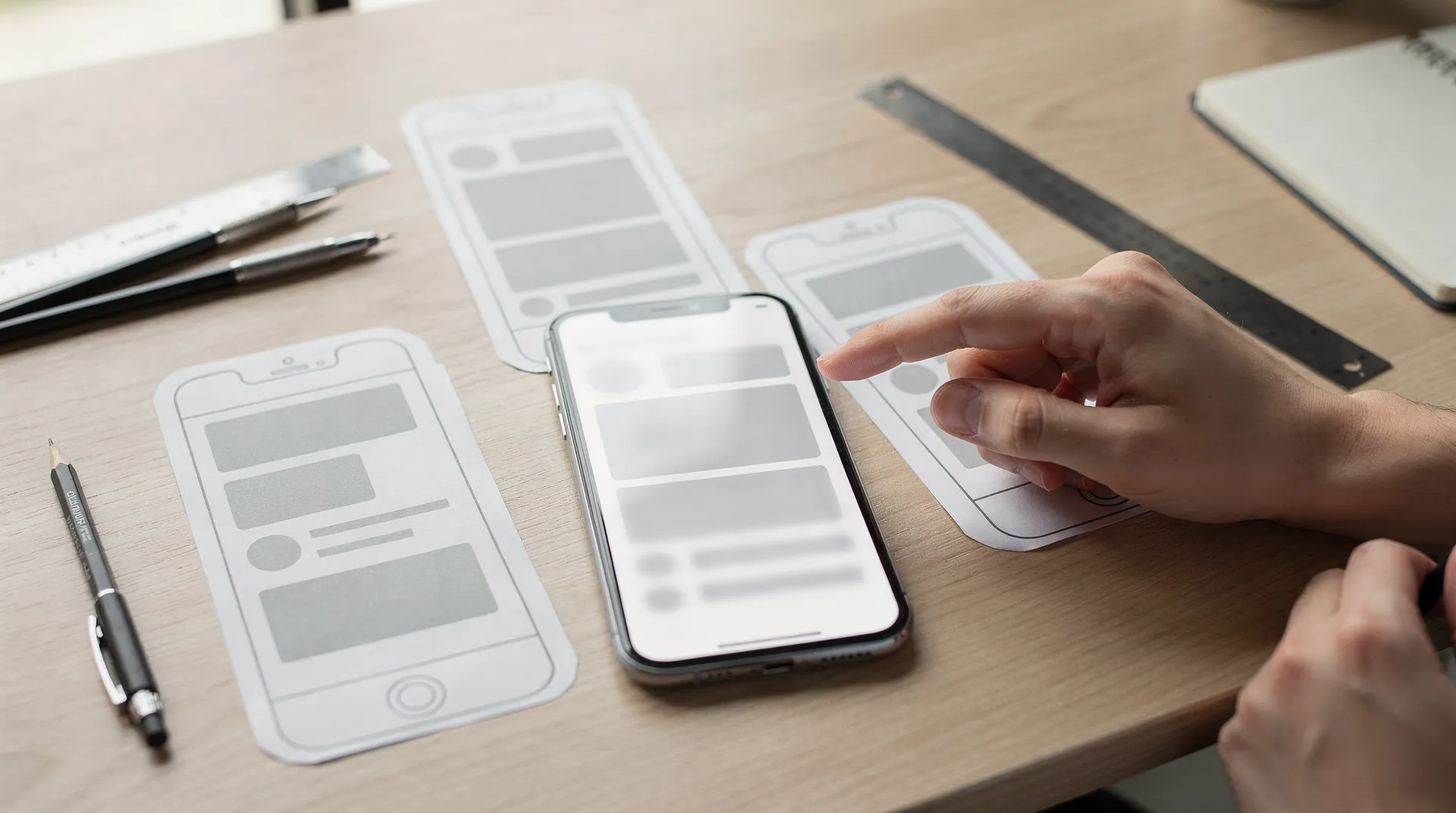
Phone-first websites are built from the smallest screen outward, progressively layering complexity for larger devices rather than compressing a desktop layout down. Businesses that skip this approach lose mobile visitors to competitors whose pages load faster and convert more cleanly.
Mobile first web design centers on three core strategies:
- Screen-up layout progression — design begins at the narrowest viewport and expands, keeping only the elements that earn their place on a small screen
- Interaction pattern selection — choosing the right conversion trigger, such as a sticky call button, a floating quote form, or a prominent booking widget, matched to how customers actually buy
- Performance-first architecture — streamlined code and compressed assets produce fast-loading pages that serve a growing mobile audience and future-proof the site as mobile traffic continues to climb
Why does the UX phase matter before any design begins?
Every Brand Nav project opens with a structured UX phase. That phase reviews industry search intent, audits the top local competitors on Google. Establishes a hierarchy of the calls-to-action a business actually monetizes. Skipping this step means building a beautiful site optimized for the wrong actions.
How does phone-first design affect GTA businesses specifically?
GTA mobile web design operates in a dense, competitive local market where search rankings depend on the mobile version of a site. A phone-first build directly improves both discoverability and on-site experience, giving local service businesses a measurable edge over competitors still serving shrunken desktop layouts.
How does GTA mobile web design drive real business results?
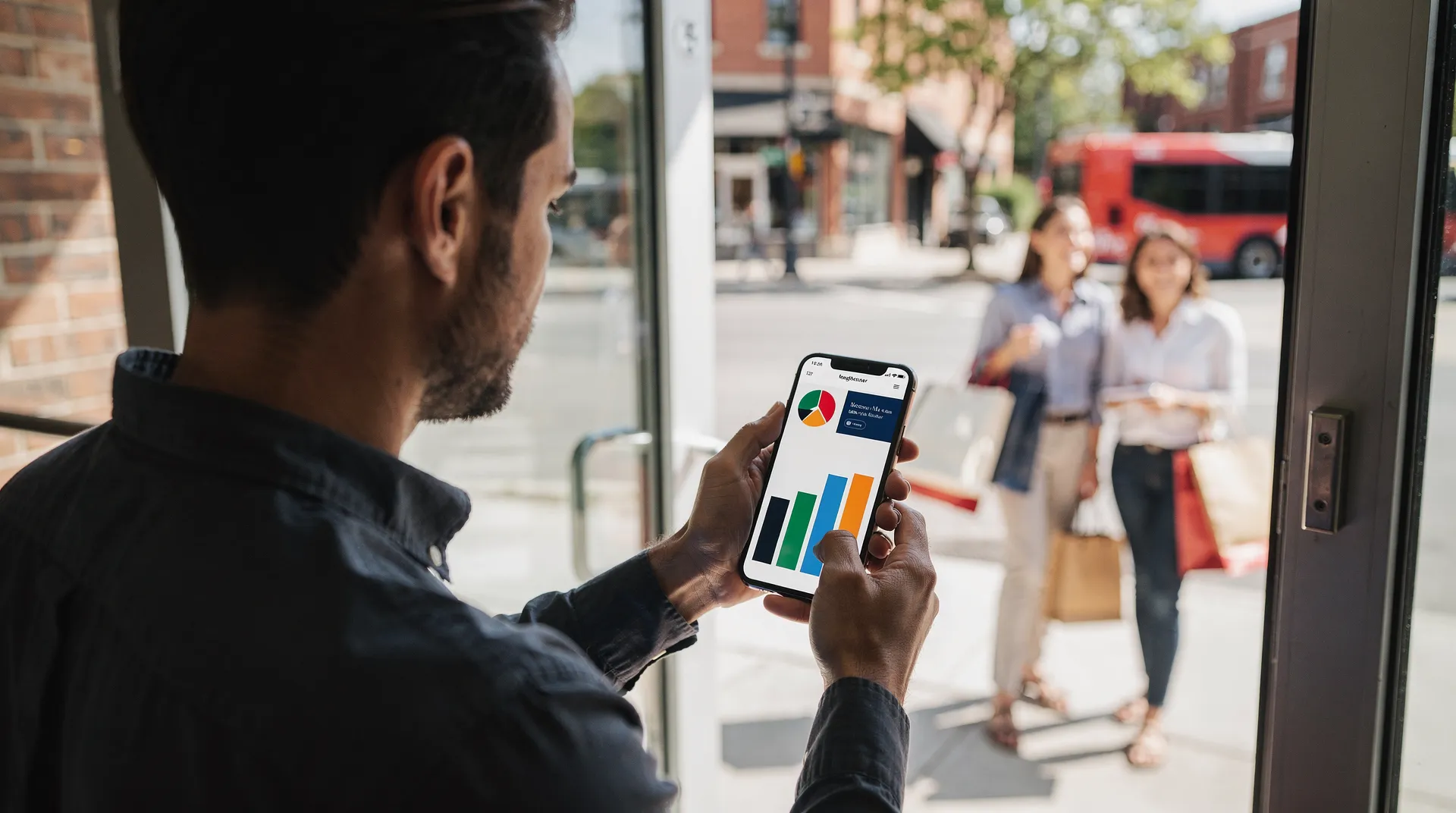
GTA mobile web design turns phone traffic into booked calls by removing every friction point that causes visitors to leave. Local businesses that skip mobile first web design lose potential customers the moment those customers hit a slow-loading page, squint at tiny text, or fumble with buttons sized for a desktop cursor.
Why do visitors leave before contacting a business?
A frustrating mobile experience — tiny text, awkward buttons, endless scrolling. Causes visitors to bounce before reaching a contact form or phone number. Every lost visitor is a lost lead. For GTA contractors and service businesses, lost leads translate directly to lost revenue.
What does a phone-first website actually include?
Phone-first websites built by Brand Nav go live in 5–7 working days and include hosting, SSL, domain email, on-page SEO, and free content edits for year one — all at a apartment rate. Brand Nav built this model specifically because local GTA businesses — plumbers, roofers, and contractors — were routinely sold expensive or unreliable websites that failed to serve their actual needs.
Key deliverables in every build:
- Custom mobile-first design
- SSL security and domain email
- On-page SEO from day one
- Free content edits throughout year one
Designing for mobile-first is no longer optional. It is the baseline expectation every phone user brings to a first click. The strategies covered here, from fluid layouts and thumb-friendly navigation to performance-trimmed assets. Touch-optimized interactions, work together as a single, cohesive system rather than a checklist of isolated fixes. Brands that commit to this approach earn faster load times, lower bounce rates. Visitors who actually stay long enough to become customers. Start with the phone, and everything else scales up naturally.
Ready when you are.
One flat price: $2,000 for the full build. Live in 5–7 working days. Free content edits and hosting included year one.
Request a consultation